Structured Cabling
VoIP Cabling: Getting Your Network Ready for Business Phones
What your cabling and network need for clear, reliable VoIP calls: PoE, switching, separation of voice traffic, and backup power.
By UTECH · · 2 min read
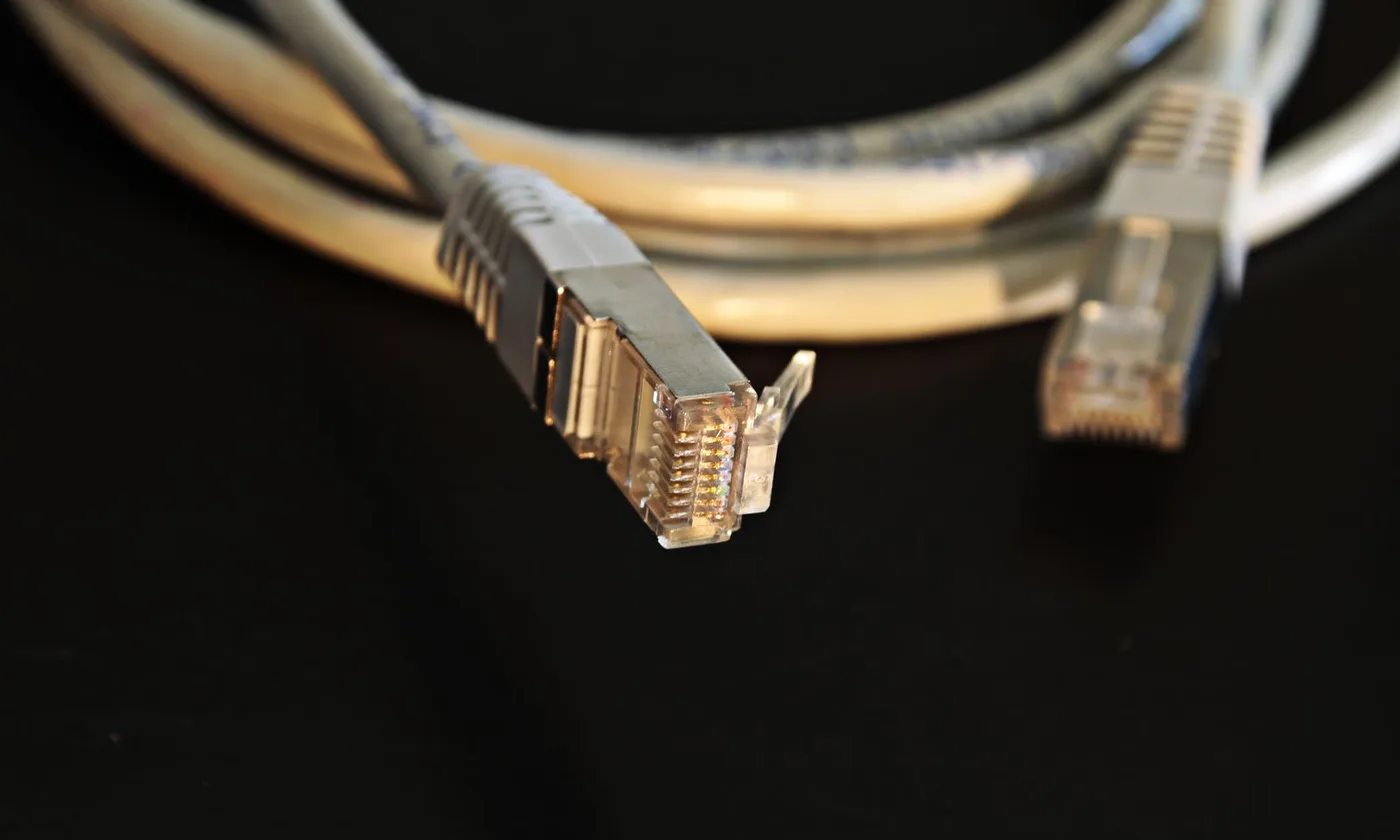
VoIP phones are only as good as the network beneath them. Choppy audio, dropped calls, and phones that reboot are usually network problems, not phone problems. Getting the cabling and switching right before the phones arrive is the simplest way to avoid them.
What VoIP needs from your cabling
- A reliable Ethernet connection to every phone, using Cat6 or Cat6A
- Runs within the 100-meter channel limit, including patch cords
- Properly terminated, certified links, because marginal cable causes the intermittent problems that are hardest to trace
- Clean patching so phones and computers can be identified and moved quickly
Power over Ethernet
Most desk phones are powered through the network cable. Plan for:
- PoE switches with enough total power budget for every phone, plus access points and cameras on the same switches
- Higher-power models for phones with color screens, expansion modules, or video
- Backup power (UPS) on PoE switches, so phones keep working during short outages
One drop or two?
Many IP phones have a built-in switch port so a computer can plug in through the phone. That saves drops, but it also links the computer’s connection to the phone. For new construction, two drops per workstation offers more flexibility for little added cost.

Keep voice traffic separate and prioritized
Your IT team or phone vendor should configure:
- A separate voice network segment (VLAN)
- Quality of Service (QoS) so voice gets priority over large downloads
- Enough internet bandwidth for peak call volume
These are configuration tasks, but they depend on switches and cabling that support them.
Do not forget
- Emergency calling information (E911) set up correctly for each location
- Conference rooms and reception desks, which often need extra drops
- Analog lines still required for fire alarm communicators, elevator phones, or fax
Preparing for the cutover
- Test existing cabling or install new runs before phones are delivered
- Confirm switch port and PoE capacity
- Schedule the cutover outside business hours
- Have a plan to roll back if something goes wrong
VoIP cabling in NY, NJ, and PA
UTECH installs and certifies the cabling and network infrastructure for VoIP phone systems across New York, New Jersey, and Pennsylvania, coordinating with your phone vendor and IT team. Contact UTECH to get your network phone-ready.