Multifamily
Rewiring an Occupied Apartment Building Without Tearing It Apart
How a well-run in-unit network retrofit works in an occupied multifamily building: pathways, unit access, resident communication, and tracking.
By UTECH · · 4 min read
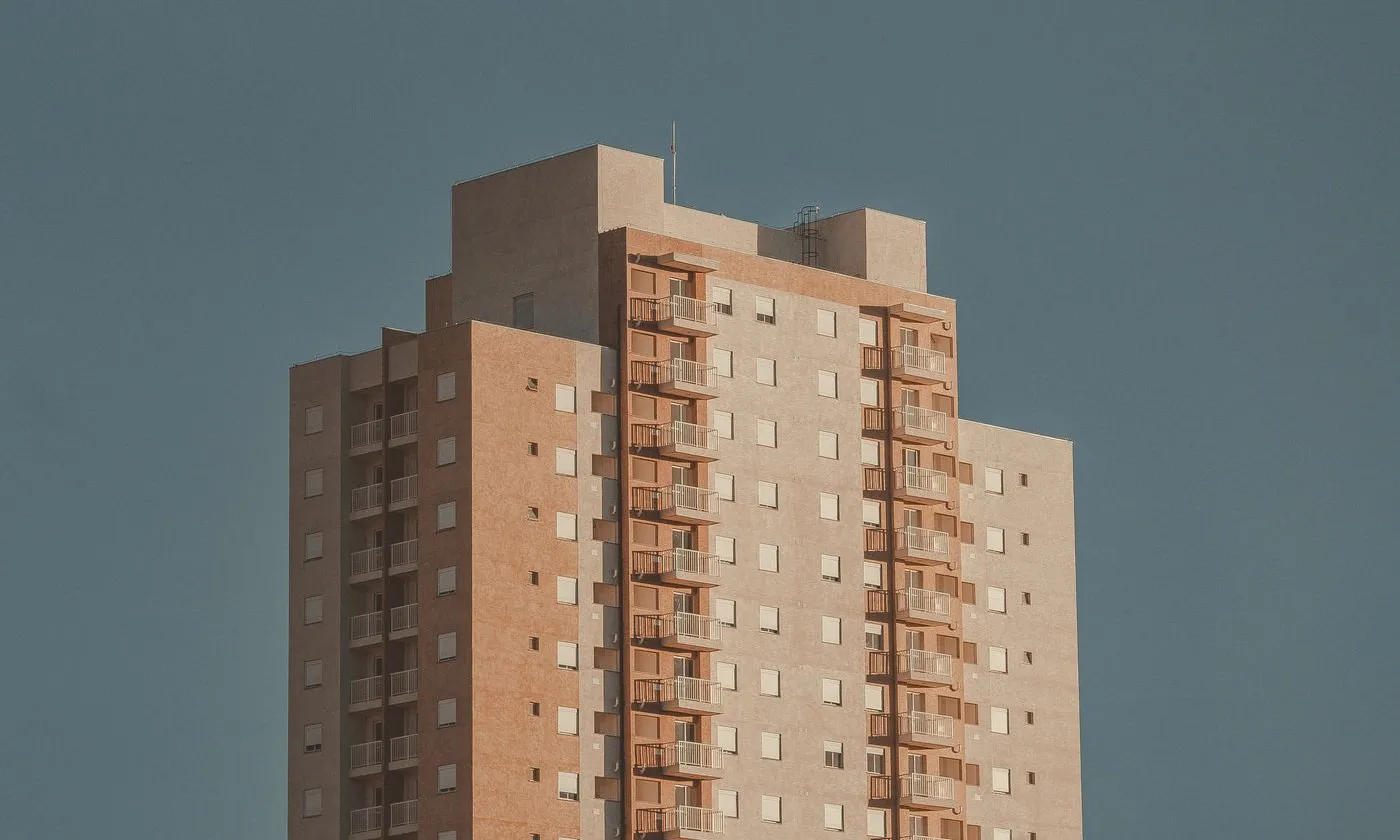
Upgrading the network in a building full of residents is less about cable and more about logistics. The technical work is well understood; the projects that run long are the ones that underestimate unit access, resident communication, and tracking. Here is how a well-run in-unit retrofit works.
Start with what is already in the walls
Before anyone designs new pathways, survey the old ones:
- Existing coax and phone wiring. Sometimes it can be reused as a pull string, or carry service over coax-based technologies while new cable is planned.
- Riser space. Old risers are often packed with abandoned cable. Removing dead cable can free space and is sometimes required by code.
- Hallway ceilings and moldings. Dropped corridor ceilings make horizontal runs simple. Plaster or concrete ceilings push you toward surface pathways.
- How each unit is entered. Note where an existing service enters each unit; that is often the cleanest path for the new one.
Pathway options when you cannot open walls
| Option | Where it works | Trade-off |
|---|---|---|
| Reuse existing conduit or sleeves | Units with clean, open pathways | Fastest, if the space is really there |
| Corridor surface raceway or molding | Hallways without dropped ceilings | Visible; must be finished neatly |
| Low-profile indoor fiber | Along baseboards or ceiling lines inside units | Nearly invisible, but handled more carefully than standard cable |
| Microduct with pushed or blown fiber | Long corridor runs, future flexibility | Higher up-front cost, simple future adds |
| Fish through existing walls | Wood-frame buildings with accessible cavities | Slow, but invisible when it works |
Most buildings use a mix. Agree on the finish standard with the owner before the first unit, using a mock-up unit if possible.
Unit access is the real schedule
A crew can only work in a unit someone can open. Plan it like a military operation:
- Notice residents in advance with the date, time window, what will happen, and how long it takes.
- Work with the super or property manager on keys, entry policy, and who must be present.
- Schedule floor by floor so materials and crews move efficiently.
- Expect no-access units. Some residents will not be home or will reschedule. Plan a second visit from the start rather than treating it as a surprise.
- Keep visits short and predictable. Residents tolerate a short visit they were told about far better than an open-ended one.
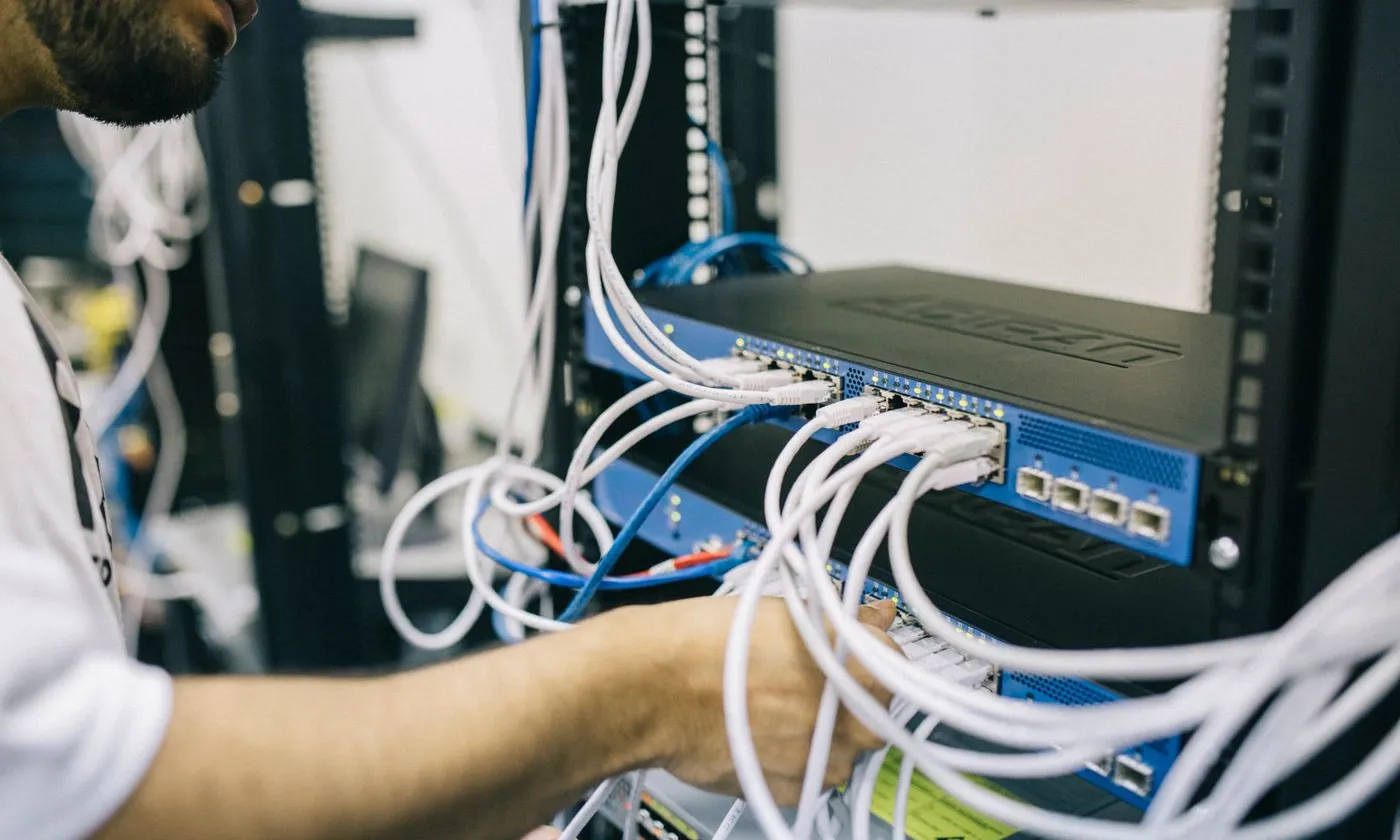
Work like a guest in someone’s home
- Drop cloths down, shoe covers on, dust controlled
- Every hole patched and every scrap removed before leaving
- Respect for pets, belongings, and privacy
- Uniformed, identified technicians
- A clear answer for residents who ask what is being done
Complaints to the property manager are what sink retrofit projects, and almost all of them come from mess and surprise, not from the technical work.
Track every unit, every visit
A shared tracker is non-negotiable. For each unit, record:
- Visit dates and outcome (complete, partial, no access, refused)
- What was installed and where it was terminated
- Test results
- Photos of the finished work
- Anything the next visit needs to know
Owners and providers want to see progress building by building, floor by floor. A live tracker answers that question before they ask it.
Do not forget code and closeout
- Firestop every new penetration through rated walls and floors.
- Remove abandoned cable where required.
- Label every drop to its unit number.
- Test and document every unit before reporting it complete.
- Deliver a closeout package: unit list, test results, photos, and as-built riser drawings.
Retrofit with a crew that has done it before
UTECH performs in-unit wiring retrofits in occupied multifamily buildings across New York, New Jersey, and Pennsylvania, for building owners and internet providers. We handle resident scheduling, clean installs, and unit-by-unit tracking. Contact UTECH to plan your building.