Project Planning
What a Low Voltage Contractor Does, and How to Hire the Right One
Low voltage contractors handle the network, communications, and building technology systems. Here is what they do and how to choose one.
By UTECH · · 2 min read
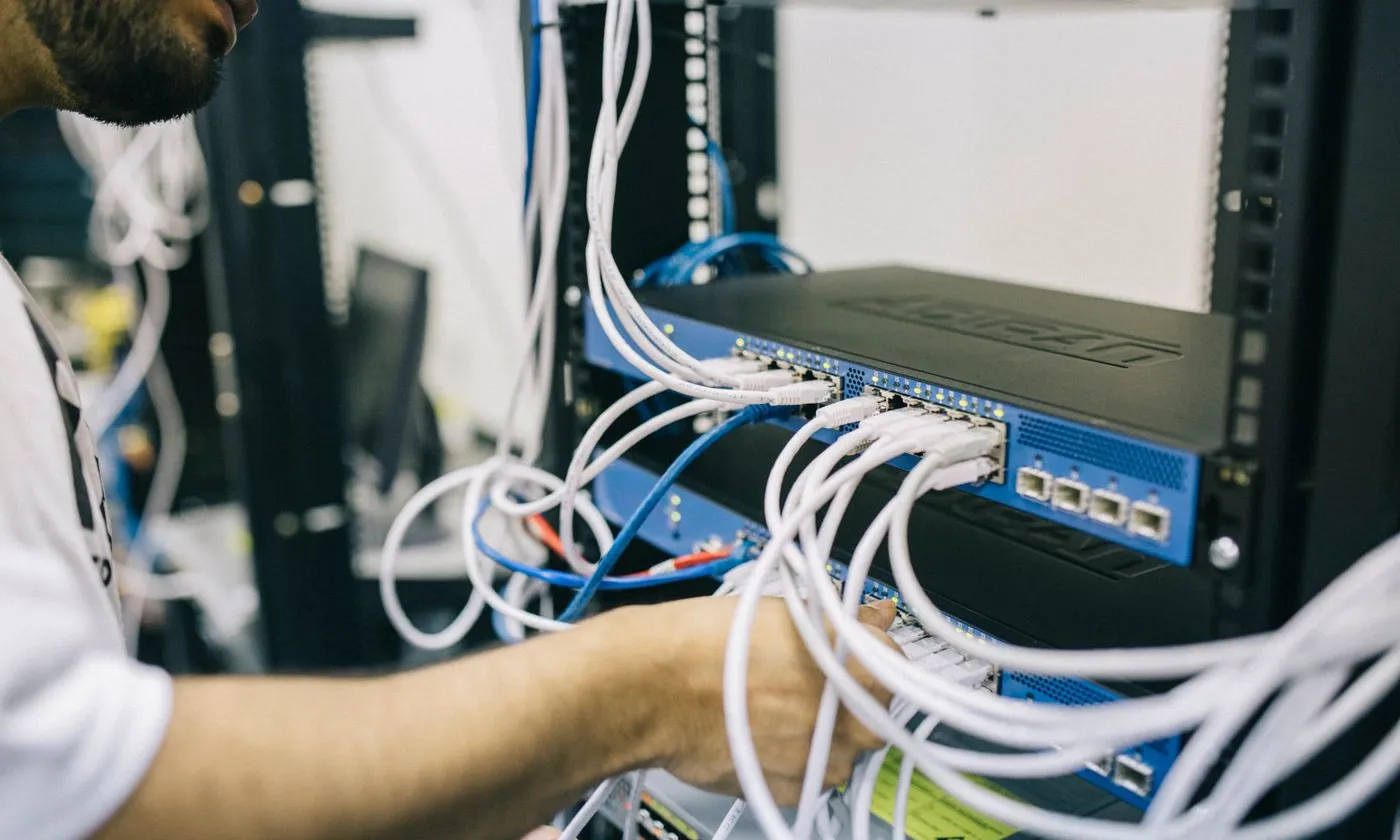
Every modern building runs on two kinds of wiring: high-voltage power from the electrician, and low-voltage systems that carry data, communications, and building technology. A low voltage contractor designs and installs that second category, and on most projects it touches more systems than any other trade.
What counts as low voltage
Low voltage generally covers systems that run on far less power than standard electrical circuits:
- Structured cabling for data and voice (copper and fiber)
- Wi-Fi access point cabling and installation
- Telecom rooms, racks, and patch panels
- Security cameras, access control, and intrusion alarms
- Intercoms and door entry
- Audio-visual and conference room systems
- Distributed antenna and fixed wireless equipment
- Building automation and IoT networks
Which systems a given contractor can install depends on their experience and, for security and fire alarm work, their state licensing.
Why bring them in early
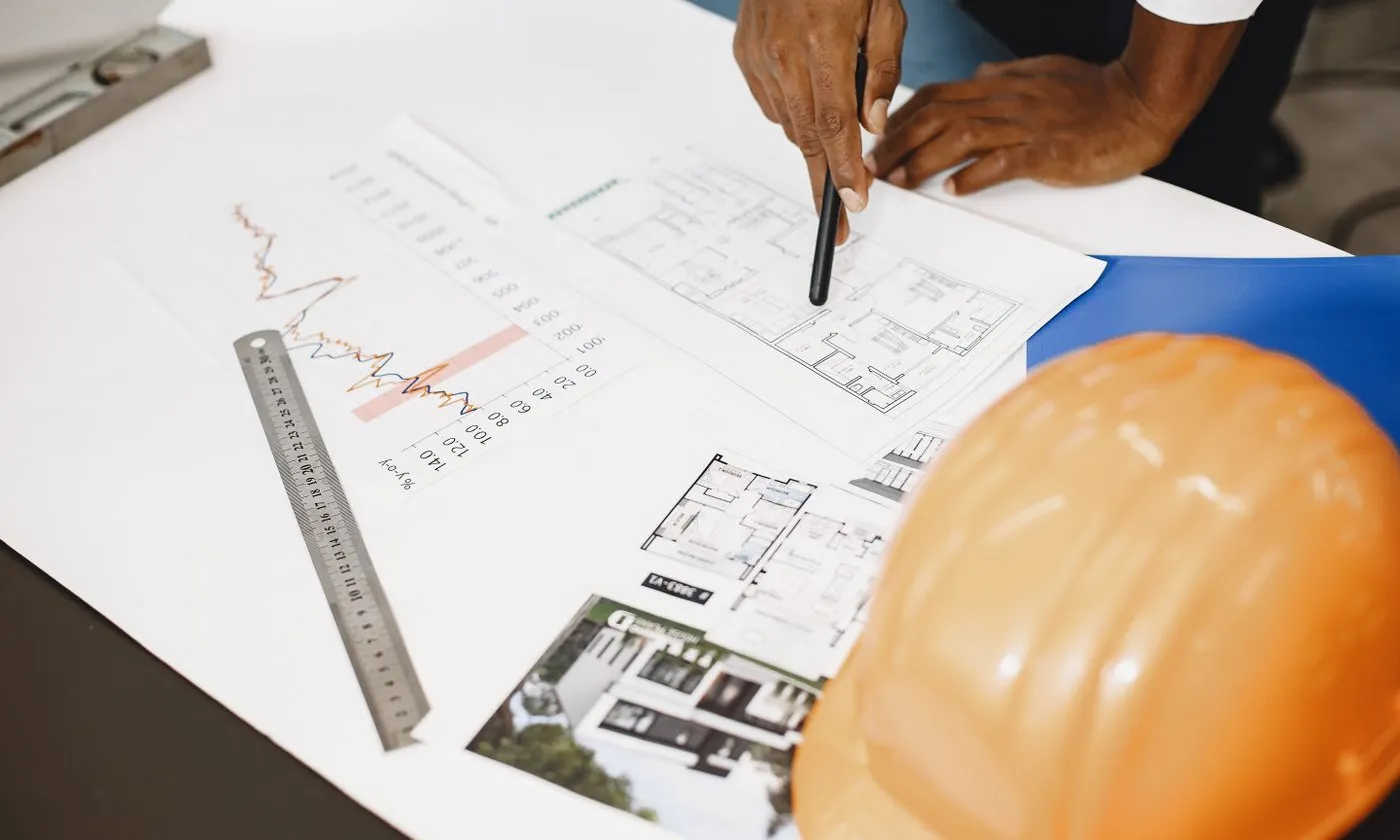
The low voltage contractor needs pathways, telecom rooms, power, and coordination with doors, ceilings, and other trades. Joining at design review rather than after framing avoids change orders, missed drops, and delays to occupancy.
How to choose one
Experience with your building type. Office build-outs, retail rollouts, multifamily, and industrial sites each have their own challenges.
Licensing and insurance. Confirm any state or local licenses the work requires, especially for security and fire alarm systems, and request a certificate of insurance.
In-house crews. Ask who will actually do the work and how many technicians the company has available for your schedule.
Testing and documentation. A professional contractor certifies every link and delivers labeled, documented systems with as-built drawings.
Coordination skills. Your low voltage contractor will work with the GC, electrician, door hardware supplier, IT team, and internet provider. Ask how they manage that.
Service after turnover. Find out who answers the phone when something stops working.
Questions to ask on a bid
- What is included, and what is excluded?
- Is certification testing included?
- Who provides permits, lifts, and firestopping?
- What documentation will we receive?
- What warranty is offered?
Your low voltage contractor in NY, NJ, and PA
UTECH is a low voltage and network infrastructure contractor serving commercial, retail, and multifamily projects across New York, New Jersey, and Pennsylvania, from structured cabling and fiber to wireless. Contact UTECH to talk through your project.