Security & Access
Commercial Fire Alarm Systems in New York: What Building Owners Should Know
How commercial fire alarm systems work, what goes into design and approval, and how to keep a system inspection-ready in New York.
By UTECH · · 2 min read
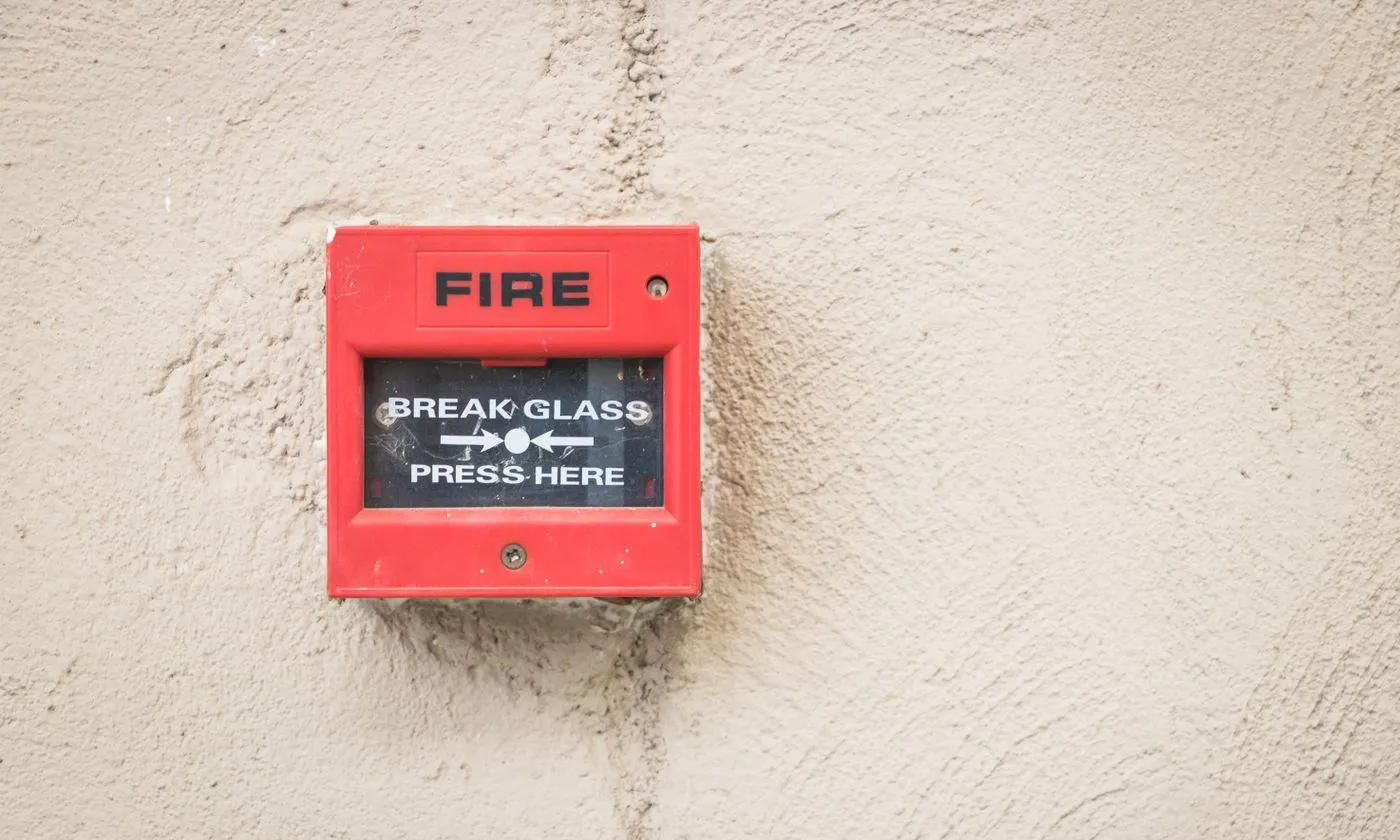
A fire alarm system is the one building system you hope never matters, and the one inspectors look at most closely. Getting it right means careful design, approved plans, clean installation, and ongoing testing. Here is an overview for owners and managers planning a new system, an upgrade, or a tenant fit-out.
How a fire alarm system works
- Initiating devices detect a problem: smoke detectors, heat detectors, duct detectors, manual pull stations, and sprinkler waterflow switches.
- The fire alarm control panel receives those signals, decides what is happening, and triggers the response.
- Notification appliances alert occupants: horns, strobes, speakers, and combination units.
- Monitoring sends alarms to a central station so the fire department is notified.
- Control functions respond automatically: releasing locked doors, recalling elevators, shutting down air handlers, and closing smoke doors.
Conventional vs. addressable
Conventional systems report alarms by zone, which can cover many devices. They suit small, simple buildings.
Addressable systems identify the exact device in alarm or trouble. They speed response, simplify troubleshooting, and are the standard for most commercial buildings.
Design and approval
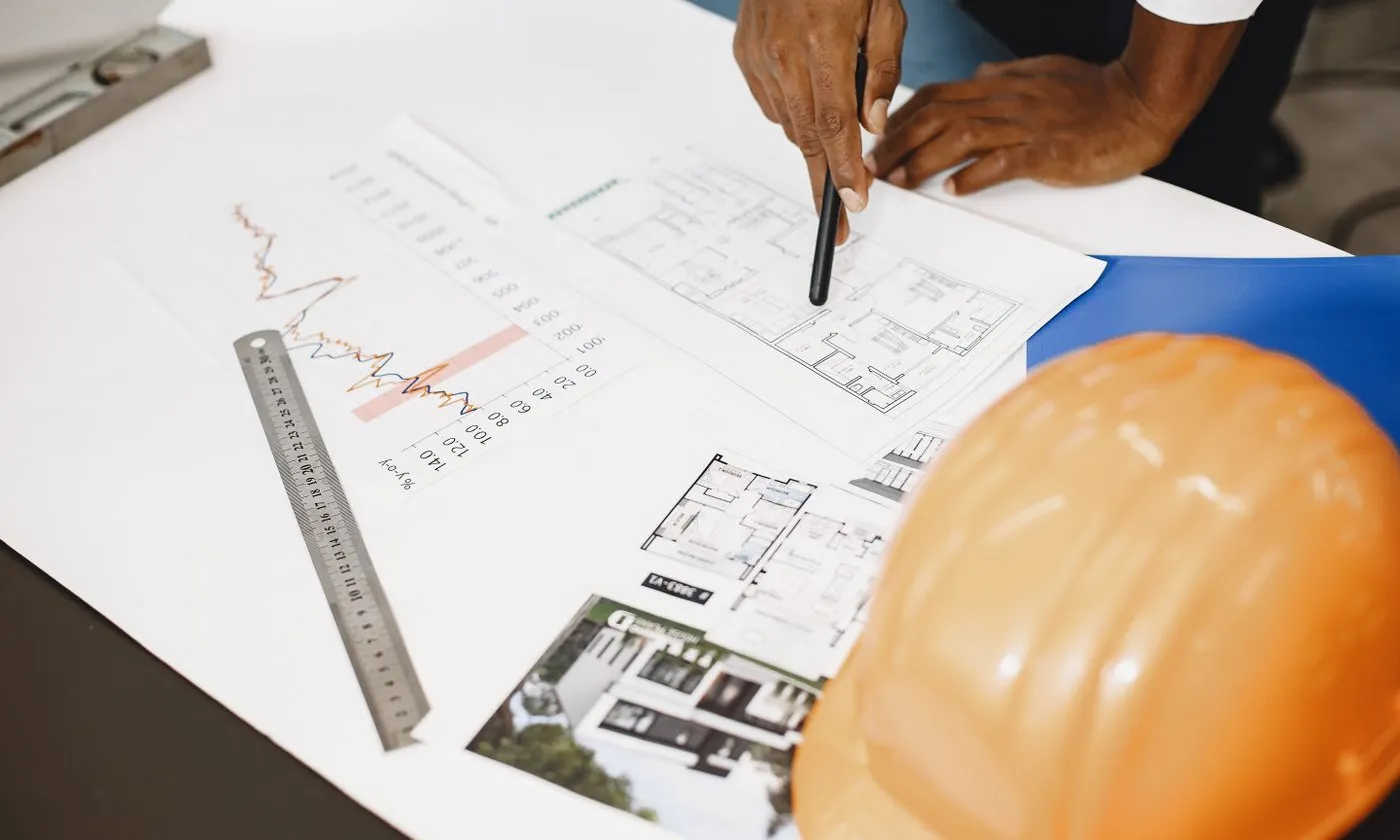
Fire alarm work is code-driven and closely reviewed:
- The design follows the applicable fire and building codes and NFPA standards adopted by the jurisdiction
- Plans are typically submitted to and approved by the local authority before installation
- Work in New York City involves additional Department of Buildings and FDNY requirements
- Final acceptance testing is often witnessed by the authority having jurisdiction
Starting this process early prevents delays to occupancy.
Fire alarm and other building systems
Fire alarm systems have to coordinate with:
- Access control, so designated doors unlock during an alarm
- Elevators, for recall to the designated floor
- HVAC, to stop smoke from spreading through ductwork
- Sprinkler systems, for waterflow and valve supervision
These interfaces are where many inspection failures happen, so they deserve careful testing.
Keeping the system inspection-ready
- Periodic inspection and testing on the schedule your code and jurisdiction require
- Prompt repair of trouble signals rather than silencing them
- Current records of every test, repair, and change
- Re-review when a space is renovated or a tenant changes the layout
Licensed fire alarm work in New York
UTECH is a NY DOS licensed installer (Lic. #12000323540) for fire alarm, burglar alarm, CCTV, and access control systems. We install and service fire alarm systems for commercial, retail, and multifamily properties across New York. Contact UTECH to discuss your building.