Fiber Optics
How to Choose a Fiber Optic Cable Contractor
The questions that separate qualified fiber optic contractors from the rest: experience, equipment, testing, documentation, and support.
By UTECH · · 2 min read
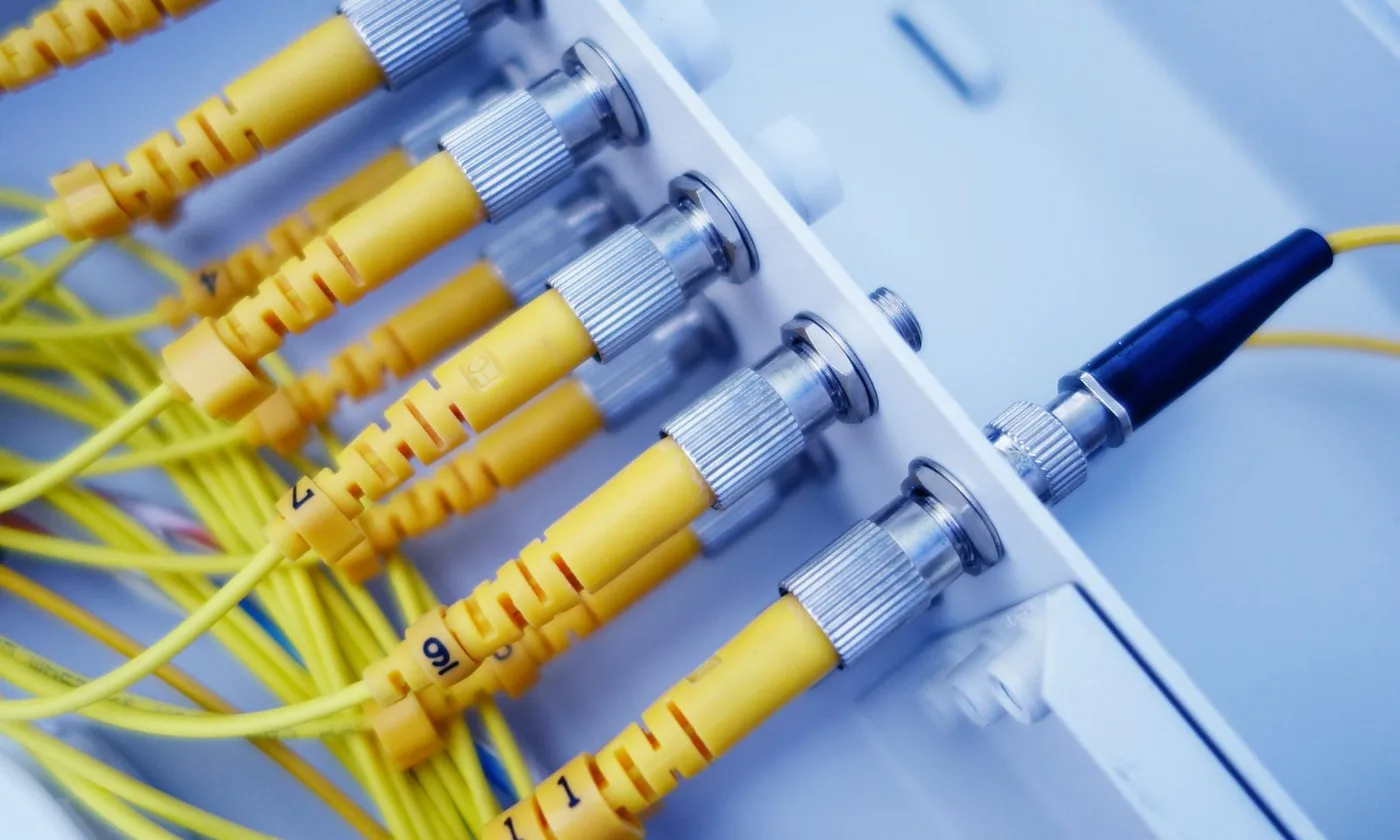
Fiber is unforgiving of shortcuts. A bad splice, a dirty connector, or a crushed cable can fail immediately or months later, and problems are invisible without the right test equipment. Choosing the right contractor matters more for fiber than for almost any other low-voltage work.
1. Fiber experience, not just cabling experience
Many contractors install copper well but sub out or improvise fiber work. Ask:
- How much fiber work do you do, and what kinds (backbone, building-to-building, multifamily, outside plant)?
- Do your own technicians splice and test, or do you subcontract it?
- Can you share examples of similar projects?
2. The right equipment
A qualified fiber contractor owns and maintains:
- Fusion splicers for low-loss permanent joins
- Light source and power meters for loss testing
- An OTDR for locating faults and characterizing links
- Fiber inspection scopes to check connector end faces before they are mated
A contractor without these tools cannot prove the quality of their work.
3. Design capability
Good contractors help you decide:
- Multimode or single-mode, based on distance and future plans
- Strand counts, with spares for growth
- Splice or pre-terminated assemblies
- Pathways, innerduct, and protection in shared spaces
4. Testing and documentation you can keep
Insist on:
- Loss test results for every strand, compared against an engineered loss budget
- OTDR traces where the project calls for them
- Strand assignments and labeling at every enclosure
- As-built routes showing where the fiber actually runs
These records are what you or any future contractor will rely on when something changes or fails.

5. Safety and site practices
Fiber work involves glass shards, lasers, and often ceilings, risers, or rooftops. Ask about safety training, cleanup of fiber scraps, insurance, and how the crew coordinates with other trades.
6. Support after installation
Find out whether the contractor provides repair service, how they handle emergencies, and whether they stand behind their work with a warranty.
Red flags
- No test results offered, or “it lights up, so it works”
- Vague answers about who will splice
- Prices far below other bids with no explanation
- No mention of documentation
Fiber contracting in NY, NJ, and PA
UTECH designs, installs, splices, tests, and documents fiber optic cabling for commercial and multifamily projects across New York, New Jersey, and Pennsylvania, with full test results on every job. Contact UTECH to discuss your project.