Structured Cabling
Cat5 and Cat5e Cable Wiring: Is It Still Good Enough for Your Business?
How to tell whether your existing Cat5 or Cat5e wiring can keep up, when it is worth keeping, and when it is time to upgrade.
By UTECH · · 2 min read
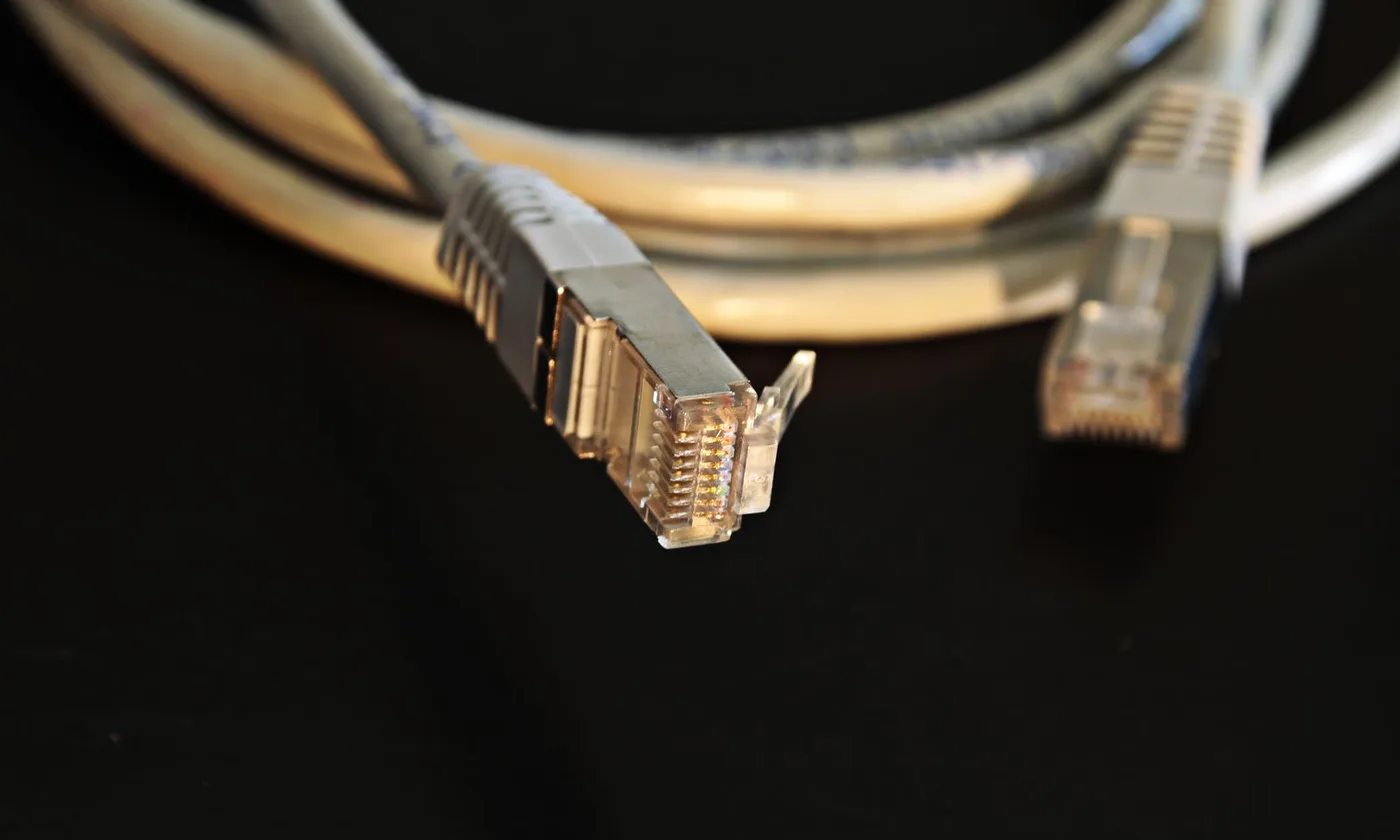
Plenty of businesses still run on Cat5e, and many of them are fine. Original Cat5, on the other hand, is overdue for replacement almost everywhere. The question is not whether newer cable is better (it is) but whether your existing wiring is holding your business back.
Cat5 vs. Cat5e: they are not the same
Cat5 was designed for 100 Mb/s networks and is no longer a recognized standard for new installations. It can sometimes carry gigabit traffic, but without a guarantee.
Cat5e (“enhanced”) tightened the limits on crosstalk and is rated for gigabit Ethernet over a full 100-meter channel. It can also carry 2.5 Gb/s on many runs using newer multi-gig equipment.
If your building has original Cat5, plan to replace it. If it has Cat5e, read on.
Signs your Cat5e is still doing its job
- Desktop connections run at 1 Gb/s without errors
- The wiring was installed and terminated professionally
- Cable is labeled and documented
- Your lease or occupancy is short, and the network is stable
Signs it is time to upgrade
- New Wi-Fi access points that need 2.5 Gb/s or faster uplinks
- High-power PoE devices such as newer access points, PTZ cameras, or displays
- Intermittent problems: drops, slow links, or ports that negotiate down to 100 Mb/s
- Undocumented, unlabeled, or patched-together cabling that makes every change a guessing game
- A renovation that opens ceilings anyway, making the upgrade cheaper now than later
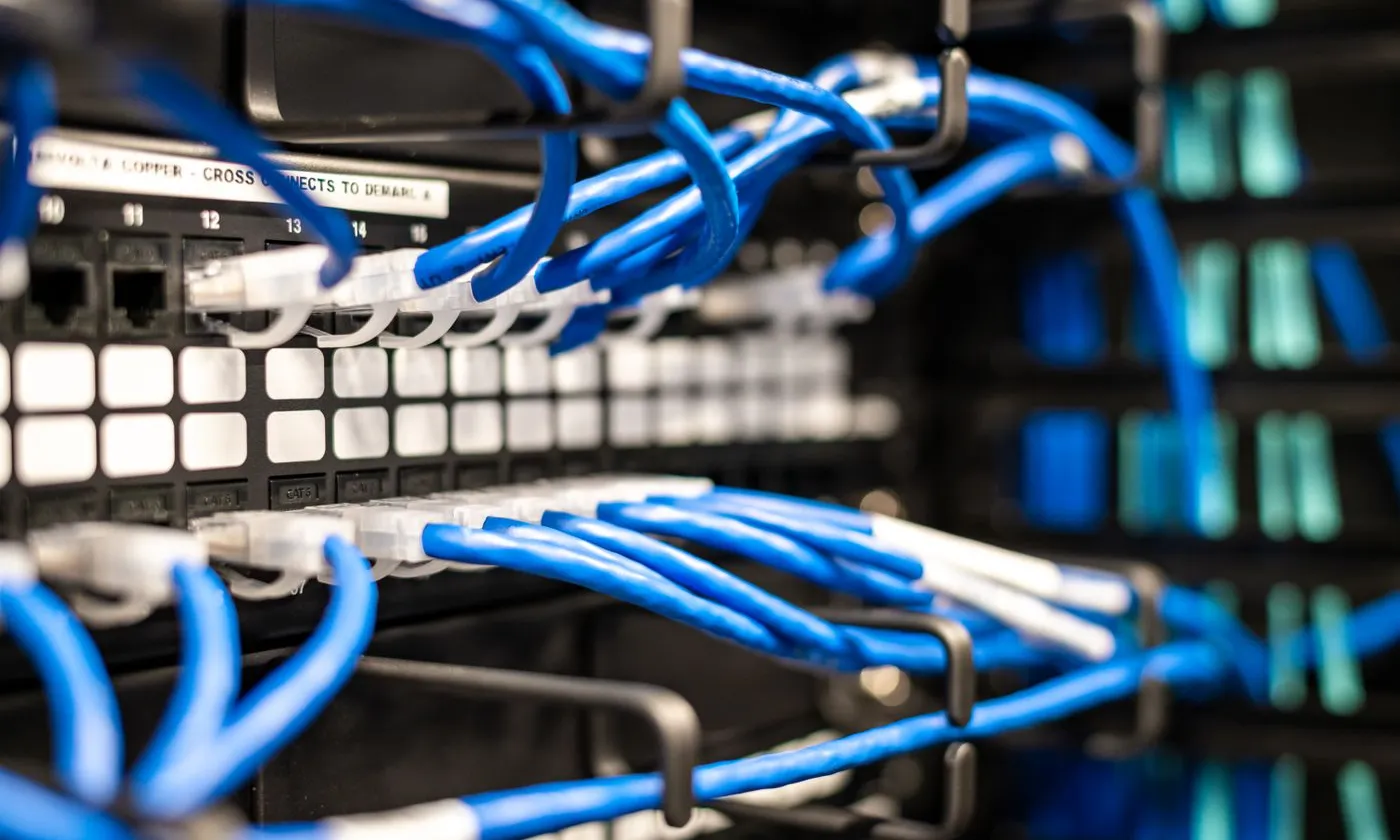
Testing beats guessing
A cable certification test measures each link against its category standard and shows exactly which runs pass, which fail, and why. For an existing building, testing a sample of runs is often the fastest way to decide between keeping, repairing, or replacing.
Repair, partial upgrade, or full replacement
- Repair: re-terminate failed jacks and patch panels when the cable itself is sound.
- Partial upgrade: run new Cat6A to access points, cameras, and high-demand areas while keeping Cat5e at desks.
- Full replacement: best during renovations or when the existing plant is undocumented or failing widely.
What to install new
For new work, Cat5e is not the right choice. Cat6 is the minimum for most commercial drops, and Cat6A is the better default for access points and long-term occupancy.
Cabling assessments in NY, NJ, and PA
UTECH tests, repairs, and upgrades existing Cat5 and Cat5e cabling across New York, New Jersey, and Pennsylvania. Contact UTECH to find out what your wiring can really handle.