Security & Access
Commercial Camera System Installation in New York: Planning a System That Works
How to plan a commercial security camera system: coverage goals, camera types, recording, network design, and installation details.
By UTECH · · 3 min read
A camera system earns its cost the day you need footage, and fails you the day the footage is unusable. Most of the difference comes down to planning: knowing what each camera must capture, then designing the network, storage, and installation to support it.
Start with what each camera must do
Before choosing models, define the goal for every view:
- Detect: see that someone is present (wide parking lot or perimeter views)
- Observe: see what they are doing (sales floor, hallway, loading dock)
- Identify: see a face or license plate clearly enough to use as evidence (entrances, registers, gates)
Identification views need far more pixels on the subject than overview shots, which changes the camera, the lens, and where it mounts.
Choosing camera types
- Dome cameras: discreet, vandal-resistant, common indoors and under canopies
- Bullet cameras: visible deterrent, good for long views along walls and lots
- Turret cameras: easy aiming, less glare at night than many domes
- Multi-sensor cameras: several views from one mounting point, ideal for building corners and intersections
- PTZ cameras: pan, tilt, and zoom for actively monitored areas
Low-light performance, wide dynamic range for bright entrances, and weather ratings matter as much as resolution.
Recording and retention
- On-site recorder (NVR): footage stays local and works without internet
- Cloud or hybrid video: remote access and off-site backup, with ongoing subscription costs
- Retention period: set by your business needs, insurance, and any industry requirements. Storage is sized from camera count, resolution, frame rate, and days kept.
The network behind the cameras
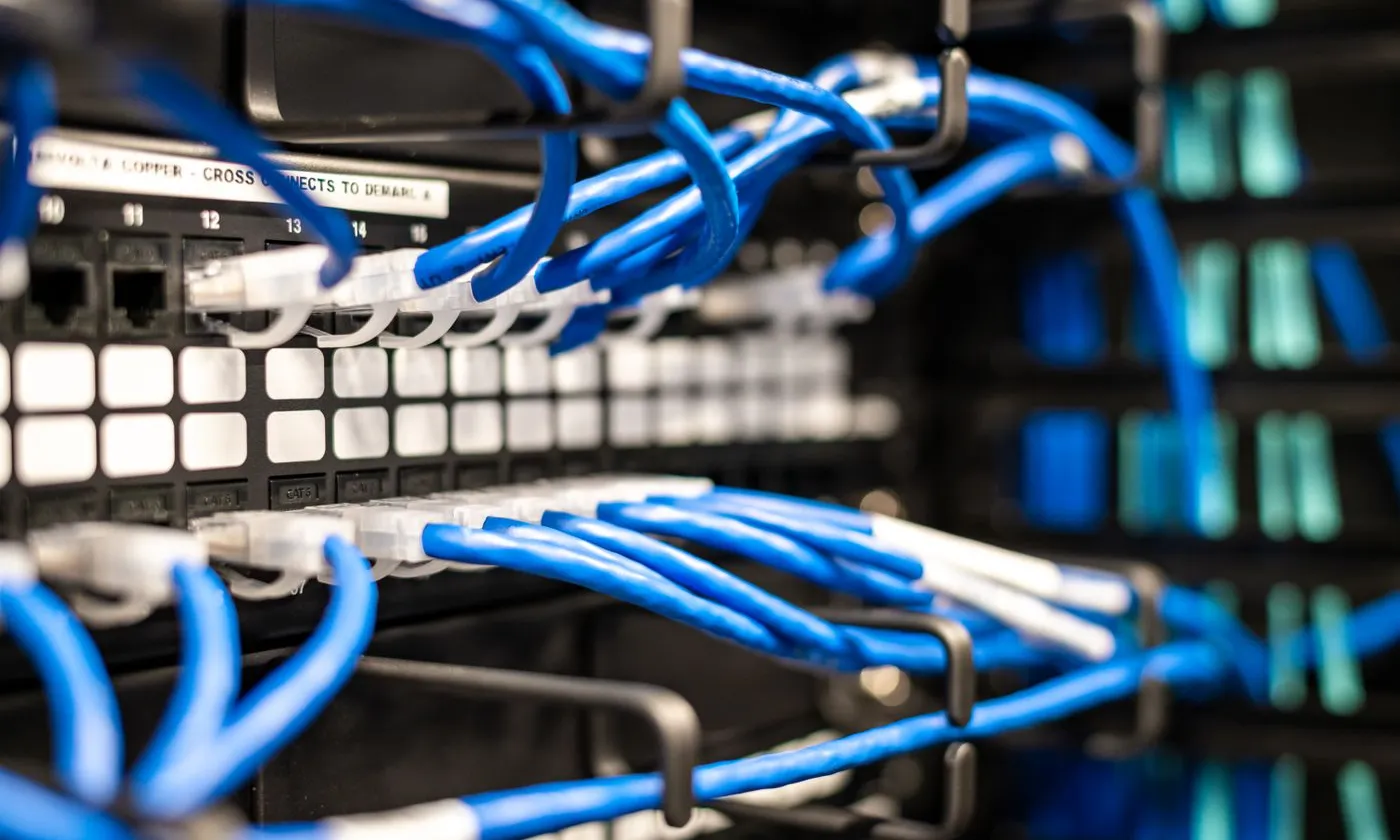
IP cameras are network devices. Plan for:
- A Cat6 or Cat6A run to each camera, under 100 meters from its switch
- PoE switches with enough power budget for every camera, including heaters on outdoor models
- A separate network segment for cameras, isolated from guest and business traffic
- Backup power for recorders and switches so recording continues during outages
Installation details that matter
- Weatherproof connections and drip loops on exterior cameras
- Mounting heights that resist tampering but still capture faces
- Aiming to avoid direct sun and glare at entrances
- Labeling every cable and camera in the recorder
Privacy and signage
Camera placement must respect privacy expectations; restrooms and similar areas are off limits, and audio recording raises separate legal questions. Posting signage is a good practice and may be required in some situations.
Licensed camera installation in New York
UTECH is a NY DOS licensed installer (Lic. #12000323540) for fire alarm, burglar alarm, CCTV, and access control systems. We design, install, and service commercial camera systems across New York. Contact UTECH to plan your coverage.