Security & Access
Access Control Cabling in Pennsylvania: Getting the Wiring Right
Access control is only as reliable as the cable behind it. What the infrastructure for door access systems should include, for Pennsylvania projects.
By UTECH · · 2 min read
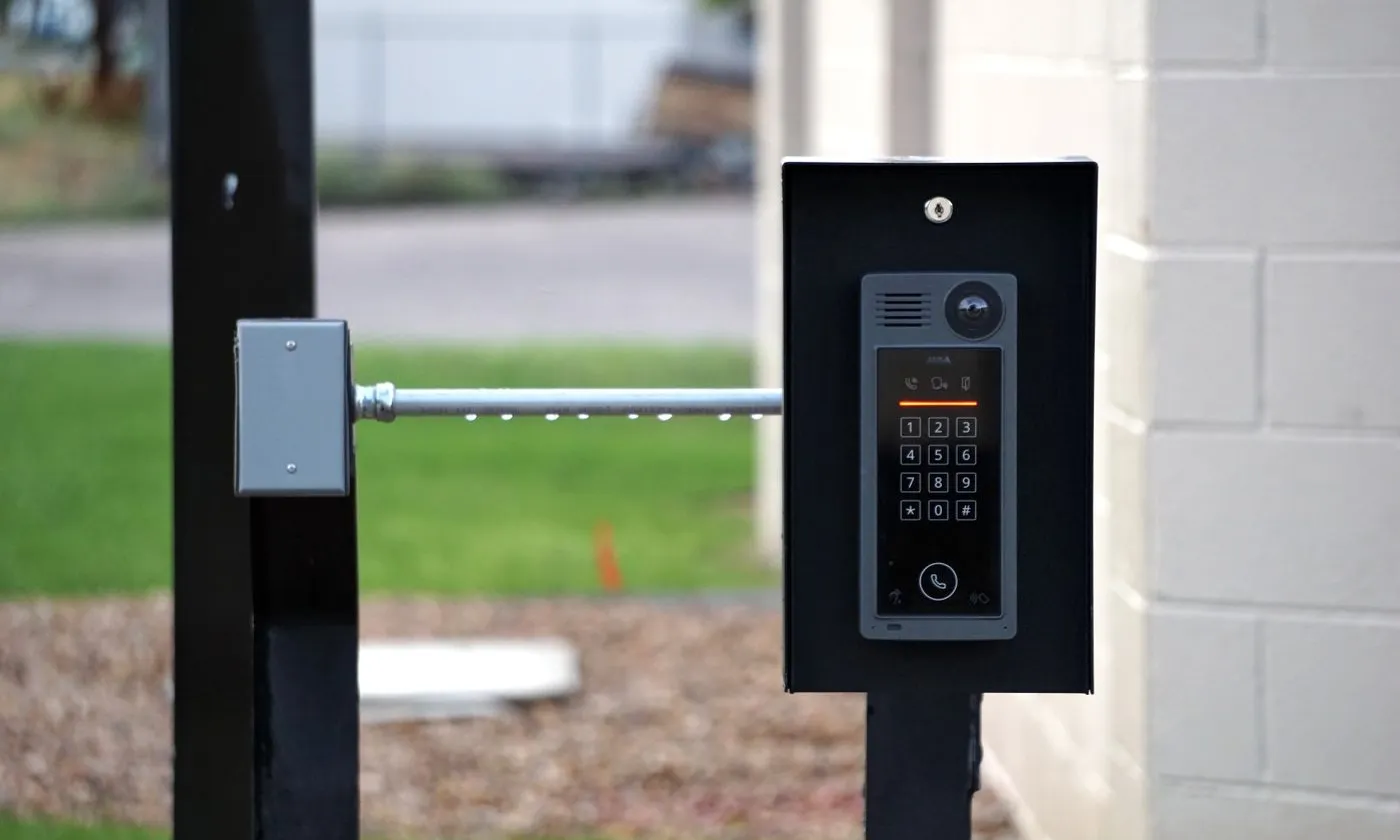
Most access control failures that look like equipment problems are really cabling problems: a reader that drops offline, a lock that chatters, a door alarm that trips for no reason. Getting the cable infrastructure right during construction makes the security integrator’s job faster and the finished system more reliable.
What each door needs
A typical controlled door has several devices, and each needs its own conductors back to the controller:
- Card reader: data and power, usually a shielded multi-conductor cable
- Electrified lock or strike: power conductors sized for the lock’s current draw and the distance
- Door position switch: tells the system whether the door is open or closed
- Request-to-exit device: a motion sensor or button that lets people out without triggering an alarm
Many projects run a composite cable that bundles these in one jacket, which speeds installation and keeps door frames neat.
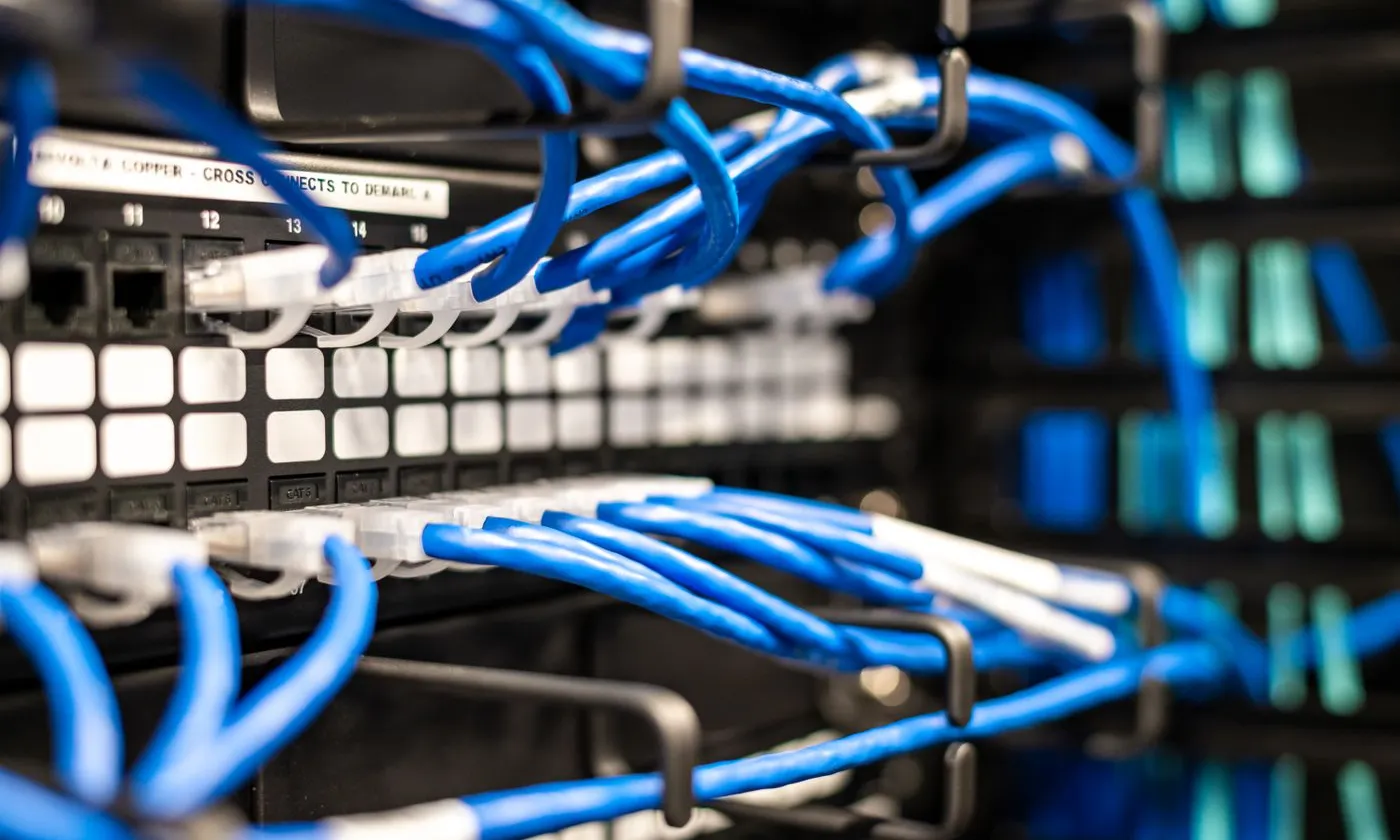
Network cabling for controllers and IP readers
Modern controllers connect to the building network, and some readers and locks are fully IP-based and powered over Ethernet. Plan for:
- A Cat6 or Cat6A data drop at each controller location
- PoE-capable drops where IP readers or locks are specified
- Space and power in the telecom room for the access control head end
Pathways and door frames
- Conduit to every door in new construction, sized with room for future devices
- Coordination with the door hardware supplier, so frames come prepped for strikes, door position switches, and power transfer hinges
- Separation from high-voltage wiring to avoid interference
- Firestopping wherever cable passes through rated walls
Common cabling mistakes
- Undersized power conductors on long lock runs, causing locks to release weakly
- No pathway to the hinge side of the door for electrified hardware
- Splices hidden above ceilings instead of terminating in accessible boxes
- Unlabeled cable that leaves the integrator guessing which wire is which
- Forgetting the data drop at the controller
Testing and documentation
Every run should be labeled at both ends, tested for continuity, and recorded on a door-by-door cable schedule. That record saves hours when the security integrator terminates devices and when service is needed later.
Cabling for access control in Pennsylvania
UTECH installs the structured cabling, conduit pathways, and network infrastructure that access control systems run on for commercial, retail, and multifamily projects across Pennsylvania, coordinating with your security integrator and door hardware supplier. Contact UTECH to plan your project.